
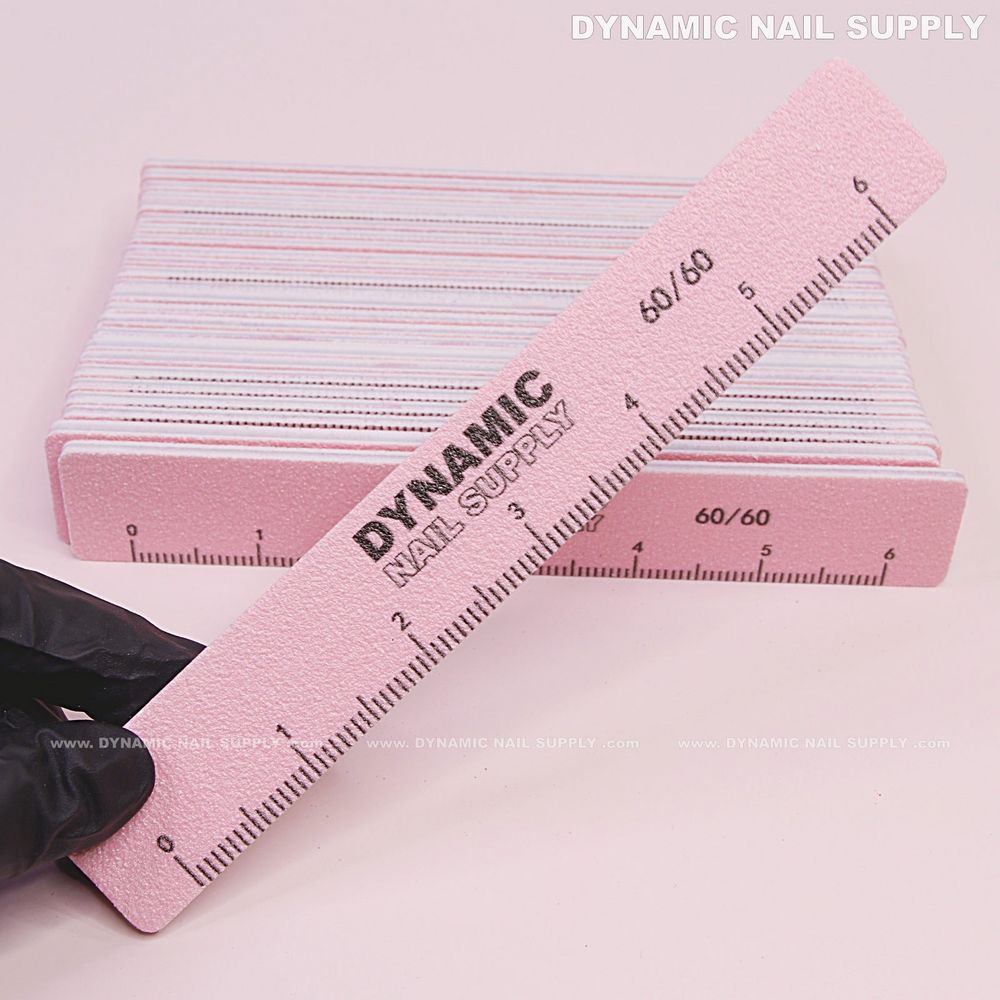
When a client walks in with thick acrylics or heavy gel overlays, you need a tool that removes product quickly and predictably. 60/60 grit nail files are built for speed and power—ideal for techs who regularly debulk or remove dense enhancements. This article compares when to reach for an ultra-coarse square file and when a different grit or shape will serve you better.
What makes these 60/60 files different?
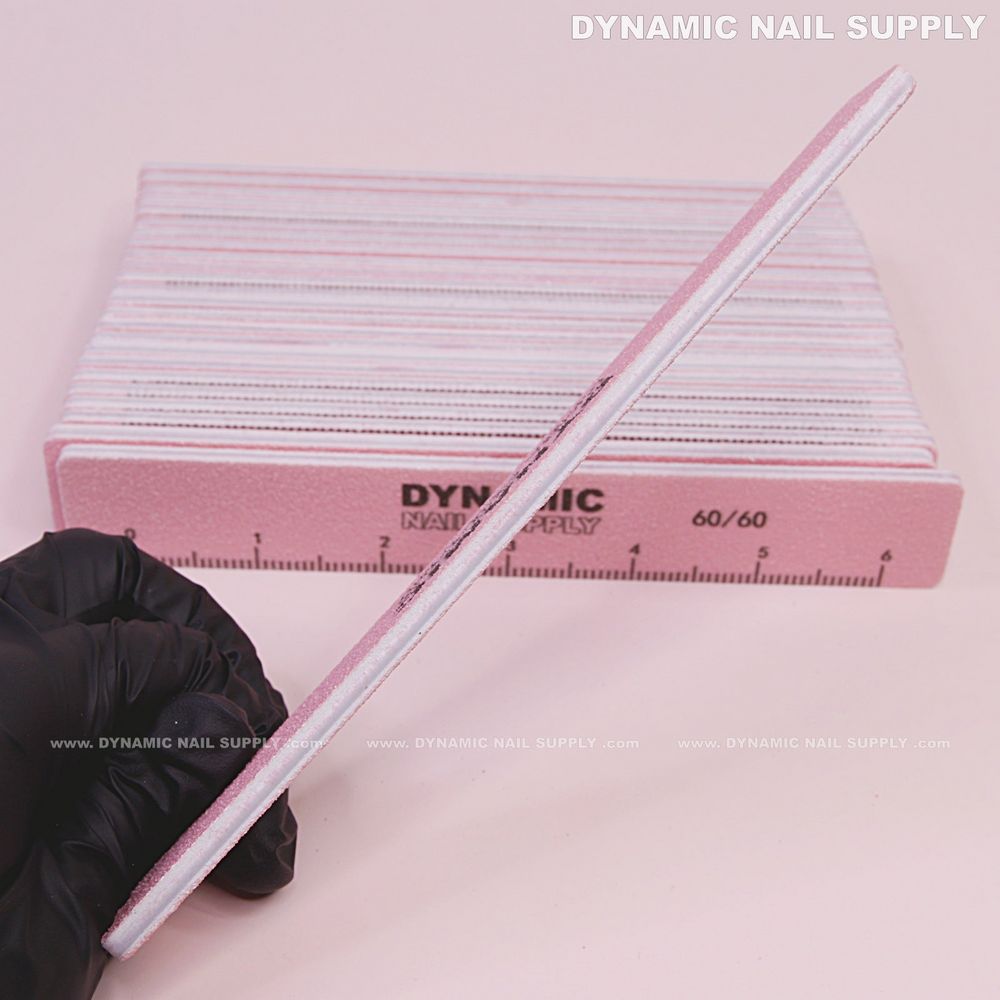
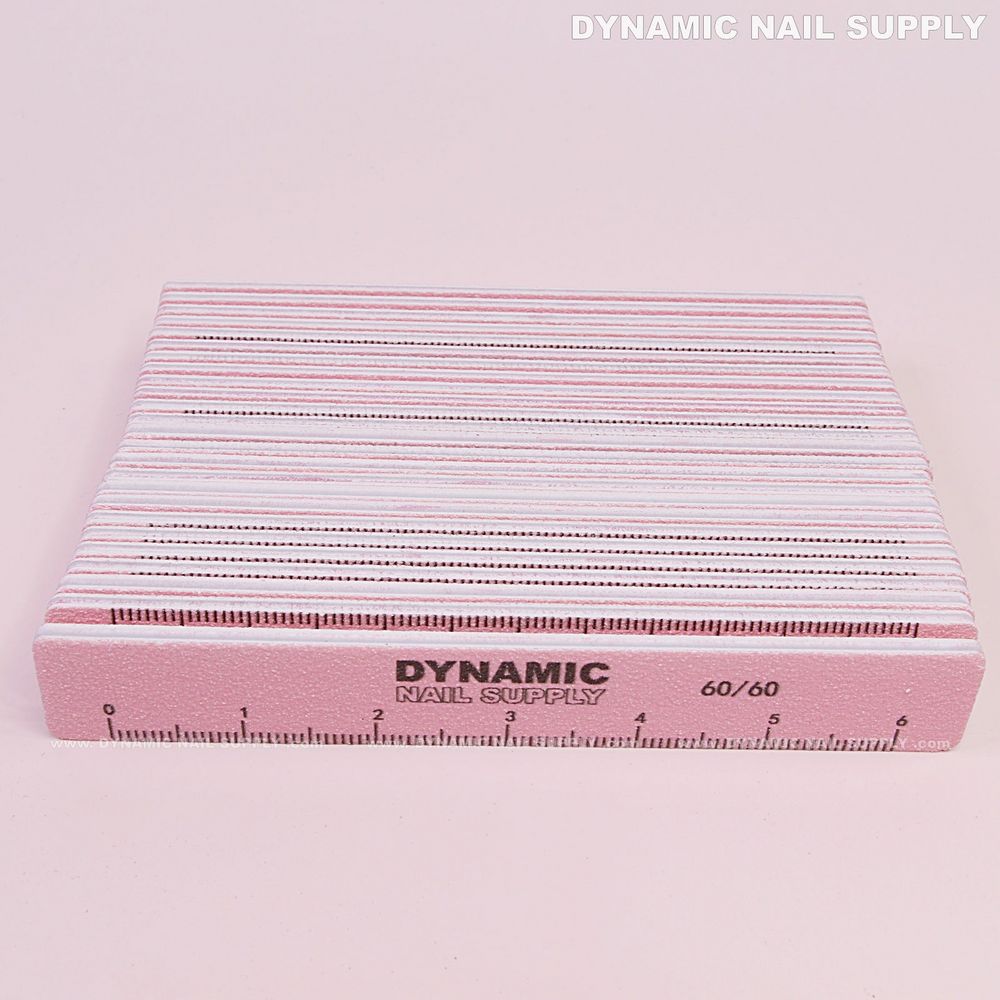
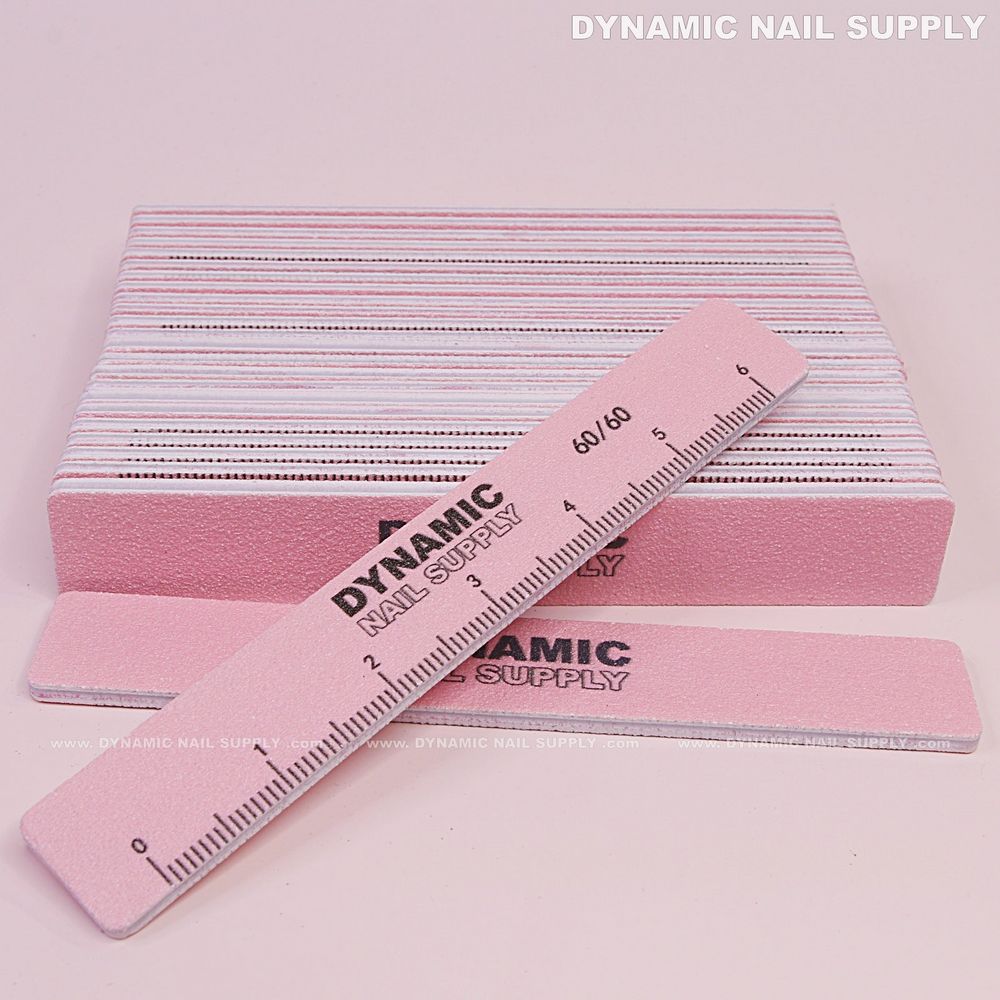
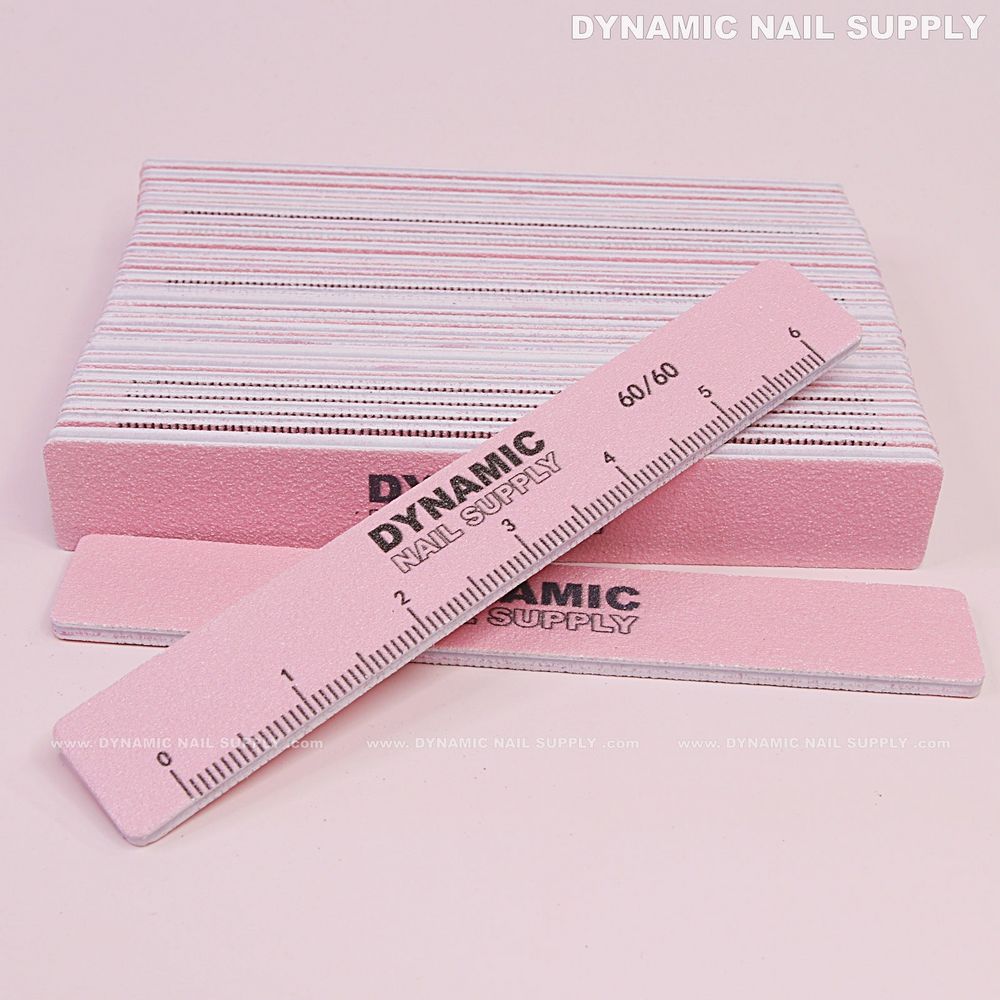
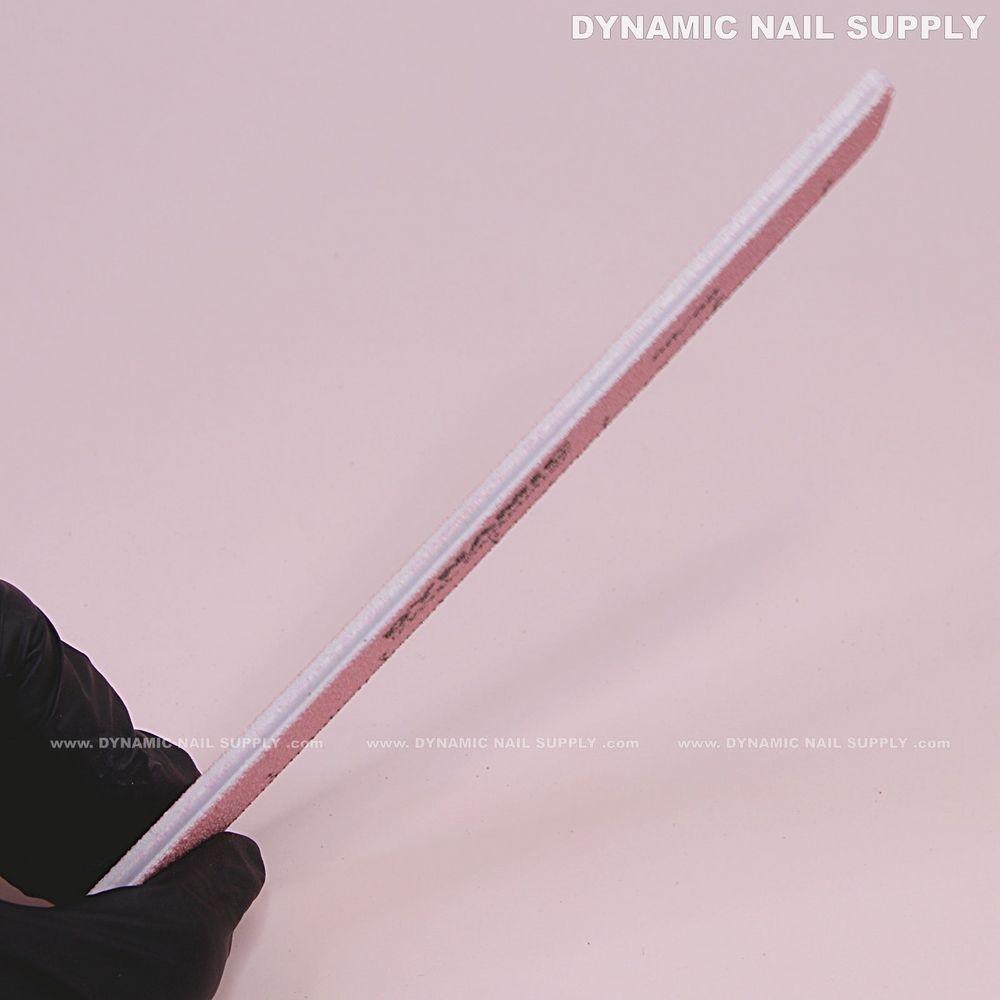
The pack is a set of square-shaped hand files with extremely coarse abrasive on both faces (60 grit each side). Their hardboard cores and premium emery surface with high-grade adhesive tape are designed for heavy-duty shaping and fast material removal. The files are water-resistant and washable, which helps extend useful life between replacements.
Key features in practical context
- Grit 60/60: The coarsest common hand-file grit—meant for rapid debulking rather than finishing work.
- Square shape: Offers control and broad surface contact for reshaping and reducing bulk on extensions.
- Double-sided: Both faces are abrasive, so you can flip and continue without switching tools.
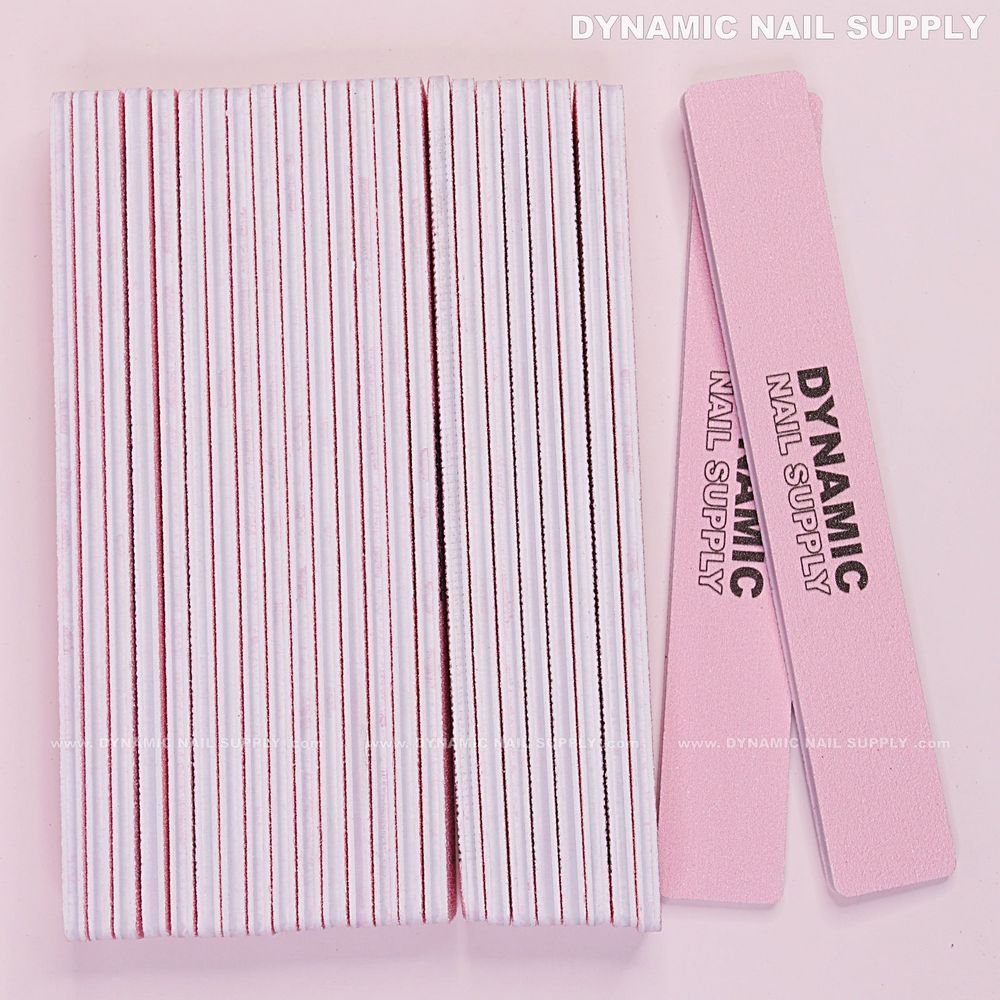
- Pack of 25: Economical for busy stations or salon floors that process many clients.
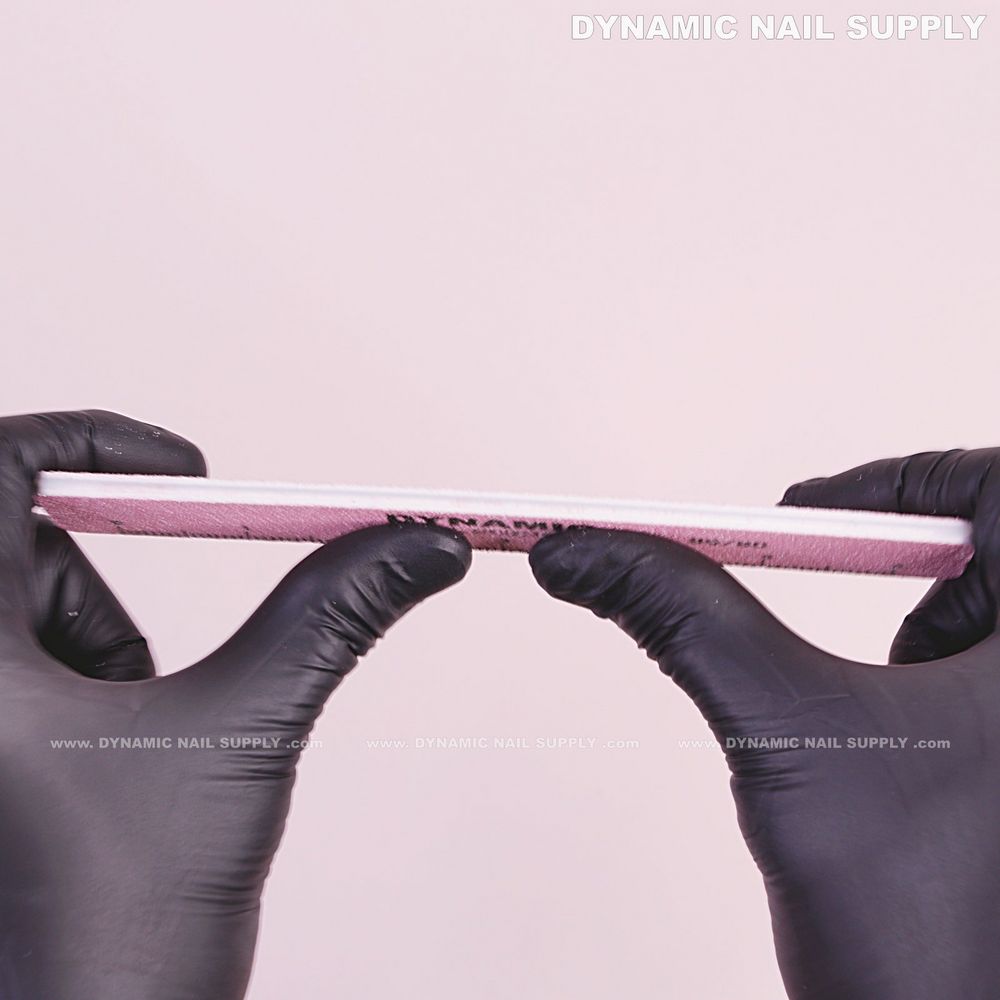
- Hardboard core and emery surface: Gives a firm feel that helps you apply steady pressure without bending.
- Water-resistant and washable: Simplifies surface cleaning and repeated use compared to single-use emery boards.
Who should choose these files?
These are aimed at professionals who face frequent, heavy removal tasks: acrylic refills gone wrong, thick gel overlays, or dense dip powder systems. If your daily workload includes debulking extensions or shaving down built-up material, these files save time and effort. For a salon-ready option, consider this ultra-coarse file pack.
When to pick something else
Extreme coarse files are not a one-size-fits-all tool. Avoid these on natural nails—the grit is too aggressive and can damage the nail plate. If you need shaping and smoothing rather than heavy removal, choose a medium (100–180) or fine grit for finishing. For curved or contoured work, a different shape (oval or banana) provides better access and a gentler touch. In short, use 60/60 files for speed and subtraction; use finer grits for refinement.
Practical usage tips
- Start on the thickest areas: Use the coarse surface to reduce bulk quickly, then switch to a finer file for blending.
- Work with moderate, even pressure: Let the abrasive do the work—excessive force can create gouges.
- Keep consistent strokes: Short, controlled motions help prevent over-filing in one spot.
- Flip when needed: Since both sides are abrasive, rotate the file when one face becomes loaded.
- Use alongside proper cleanser: Because they’re washable, rinse to clear dust and dry thoroughly before reuse.
Care and safety notes
Do not use these 60/60 grit files on natural nails—this grit is intended for artificial-product removal and can remove too much natural nail surface. After each client, remove debris and wash the file per your salon sanitation policies; the files are water-resistant but not sterile. Inspect for wear: when the abrasive surface visibly wears down or becomes uneven, replace the file to avoid inconsistent results.
Who benefits most—and value considerations
High-volume nail technicians and salons will appreciate a 25-piece pack that minimizes downtime and replacement frequency. The hardboard construction gives a sturdy feel that many techs prefer when tackling dense acrylics. This product is listed at $12.99 for the pack; note that prices may change.
If you frequently handle heavy-duty removals, these 60/60 grit square files are a time-saving, purpose-built choice. If your work skews toward natural nail care or delicate shaping, pair them with finer grits or opt for gentler files instead.
